Why checking feels like an insult
Most of us start from belief. The communication researcher Timothy Levine calls this the truth-default: people tend to believe others, and in everyday life that is a sensible way to live, because most people are honest most of the time. Asking for proof breaks the default out loud, so it can sound like “I think you are lying.”
The pressure is stronger where business runs on relationships. In India, buying from an Instagram seller you have chatted with for weeks, hiring through a friend of a cousin, or meeting a match the family suggested all come with an unspoken rule: asking for proof questions the people who vouched. In dating, in both countries, asking early can feel like declaring the date over before it starts.
What the research says about awkward questions
In five experiments with 1,427 people, Einav Hart, Eric VanEpps and Maurice Schweitzer found that people avoid sensitive questions because they expect the other person to be uncomfortable and to think less of them. Those expectations were mostly wrong. Partners formed similarly favourable impressions of someone who asked a sensitive question, such as about salary, and someone who asked a mundane one, such as about their commute. It held for friends and strangers, face to face and online.
Their questions were about money and personal life, not identity, so this is not a study of verification. But the lesson carries: the social cost we imagine is usually bigger than the one we pay, and avoiding the question has a cost of its own.
What asking says, and what it does not
What it says
- I check everyone before I pay or meet
- I am serious about going ahead
- I would rather ask now than worry later
What it does not say
- I think you are a scammer
- I do not like you
- You have to send me your documents
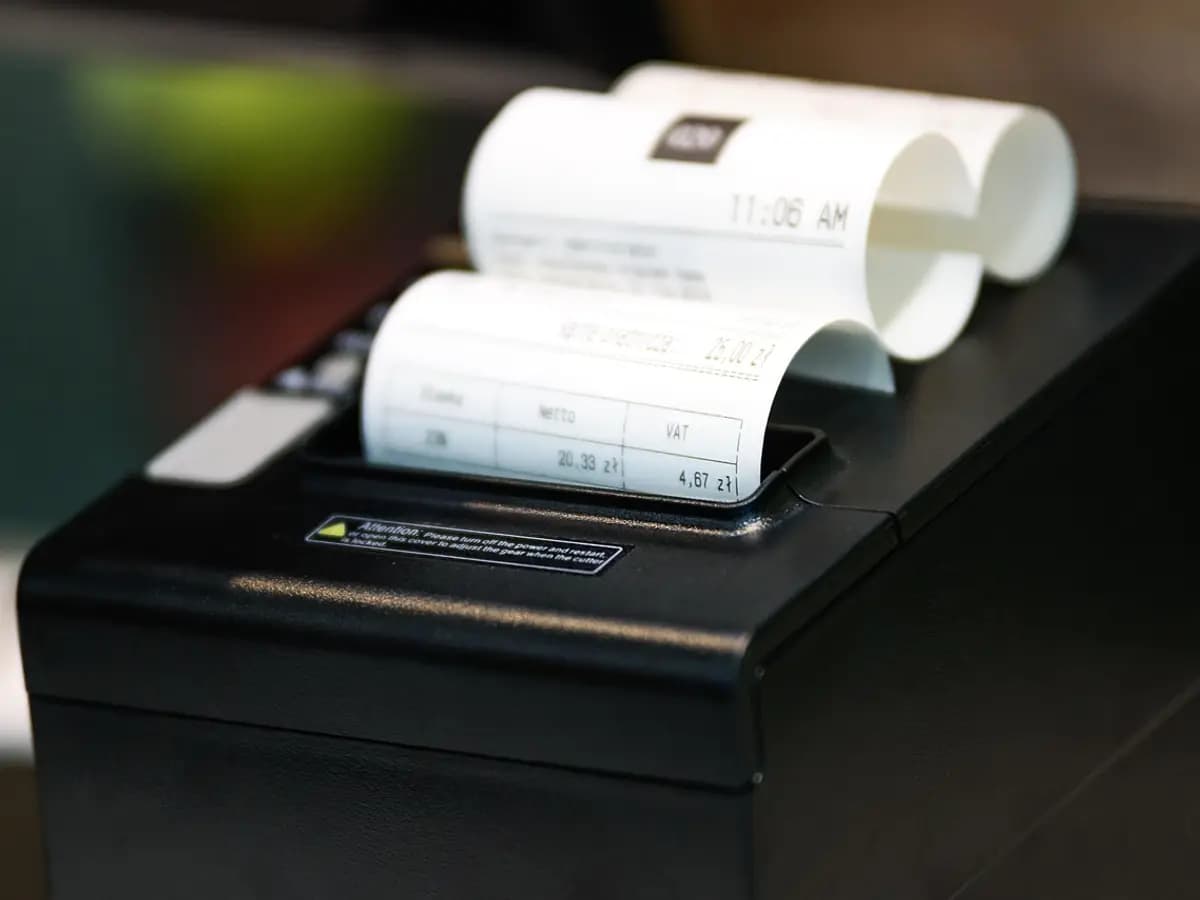
Nobody feels accused when a shop hands them a bill. A receipt is not about the cashier's honesty; it is how both sides know what happened. We think verification can work the same way: a routine that protects both people, done every time, so it never singles anyone out.
How to ask
Ask early, before money or a meeting is on the table, when it costs nothing to say yes. Make it about your habit, not their character. Ask for a claim you can check rather than a photo of their ID, which they should not be sending to strangers anyway.
- Buying: “Before I pay anyone online I ask them to verify. It takes a minute. Happy to do the same.”
- Dating: “I do this with everyone before meeting. Nothing personal, it just lets me relax.”
- Hiring or freelancing: “Our process is that both sides verify before the first payment.”
- A match from the family: “Our families introduced us and I trust that. I also verify everyone I meet, so here's mine first.”
If they say no
A no is not proof of fraud. People decline for privacy, for time, or because they have never heard of the tool you are suggesting. Do not argue, and do not accuse.
You also do not need to prove they are lying to choose a safer way to go ahead: pay on delivery, meet in a public place, use a platform's protected checkout, or wait. India's cybercrime centre advises against financial transactions with unknown contacts without verification, and the FTC advises talking to friends or family before going further with a new online love interest. Declining to send money to someone you cannot check is a normal choice, not an insult.
If it already happened
- If you already paid or shared details with someone you could not verify, contact your bank or payment app and save the chat.
Questions
Won't they think I don't trust them?
Should I verify myself if I ask them to?
What if they ask me to send a photo of my ID instead?
Does refusing to verify mean they are a scammer?
We made asking a link rather than a conversation: you send it, they prove who they are once, and you see the claim, never their documents. Anyone can verify themselves first and share it.
Send an askSources
- Hart, VanEpps and Schweitzer (2021), The (better than expected) consequences of asking sensitive questions, Organizational Behavior and Human Decision Processes
- Knowledge at Wharton: Why you shouldn't be afraid to ask sensitive questions
- Levine (2014), Truth-Default Theory: a theory of human deception and deception detection, Journal of Language and Social Psychology
- PIB (MHA): I4C identifies over 100 websites used for task-based and investment frauds (December 2023)
- FTC Data Spotlight: Romance scammers' favorite lies exposed (February 2023)