How fake recruiters reach you
The FTC warns that scammers pose as recruiters for well-known companies on LinkedIn and other job sites. Others send a text offering a full- or part-time job you never applied for. The offer often pays well for little work and is light on details.
Then comes an official-looking invitation to a virtual interview, sometimes held entirely over chat. Before answering your questions, the recruiter may ask for your driver's license, Social Security number or bank account number, saying it is for payroll or a background check.
The equipment check trick
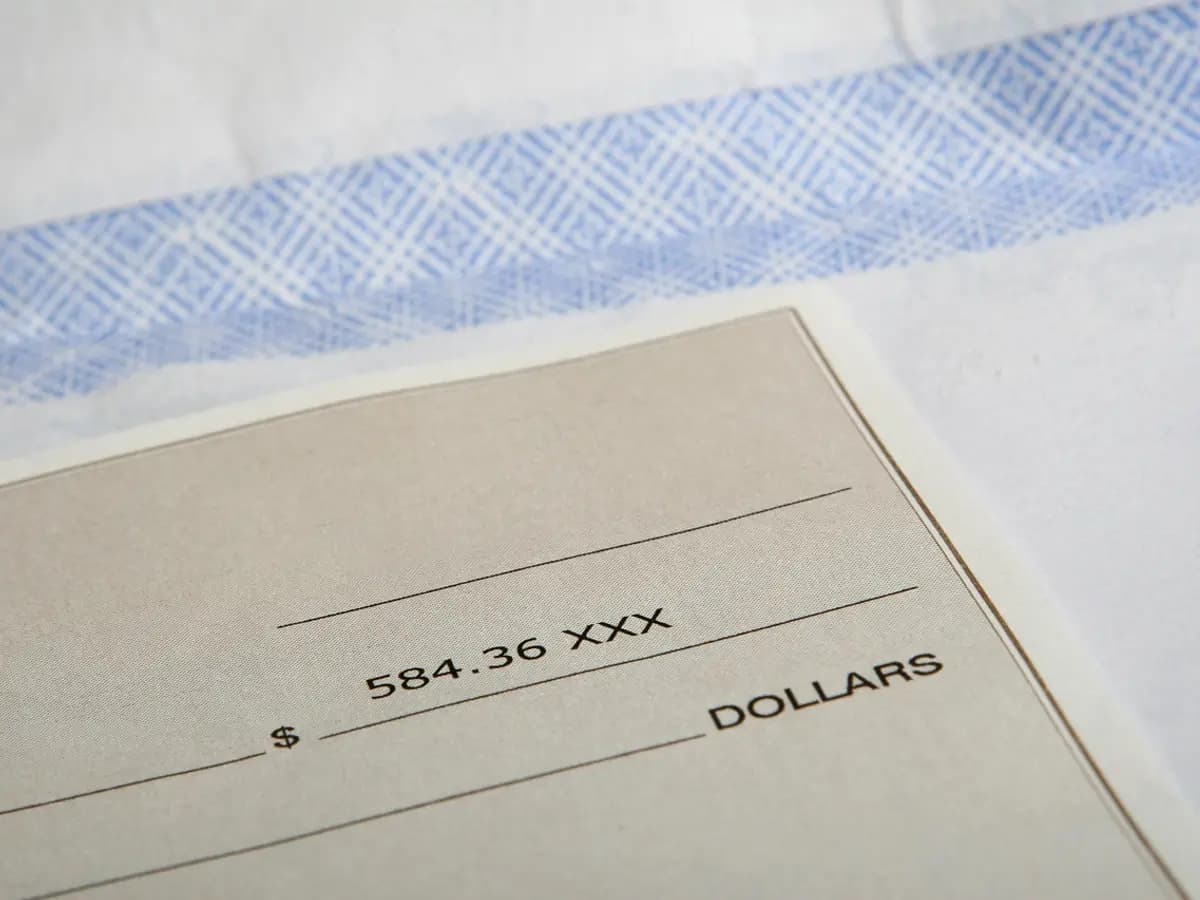
Once you are hired, you are told you need a laptop or other equipment. In one version the employer mails you a check, asks you to deposit it, buy the equipment from their chosen vendor and send back what is left. The FTC says the check will bounce, and the bank will want you to repay the full amount.
In another version you get an invoice for equipment or training and are told to pay it yourself with cash, Zelle or PayPal, then be reimbursed. The reimbursement never comes.
Task jobs that make you pay to get paid
A newer version arrives by text or WhatsApp and offers online work rating products or liking videos in an app. Early tasks pay a little, so it feels real. Then you are told to deposit money, often in crypto, to unlock the next set of tasks or withdraw your earnings, and the deposits are lost.
The FTC estimates about 20,000 people reported these task scams in the first half of 2024, up from about 5,000 in all of 2023. Its advice is plain: never pay anyone to get paid.
Signs of a fake recruiter
- Contacts you about a job you never applied for
- Writes from Gmail or another personal address
- Interviews you only by text or chat
- Asks for your SSN or bank details up front
- Sends a check, or asks you to pay for anything
What real employers do
- List the job on their own careers page
- Email from the company's own domain
- Talk to you by phone or video before an offer
- Collect payroll details after a real offer
- Supply equipment or pay for it themselves
How common job scams have become
The FTC says reports of job scams nearly tripled from 2020 to 2024, and reported losses rose from $90 million to $501 million. The FBI's IC3 received 24,688 employment scam complaints in 2025, with about $363 million lost.
Check a job by finding the company's careers page or phone number yourself, not through a link or number the recruiter sent.
If it already happened
- If you deposited a check, tell your bank now and do not spend or forward any of the money. A check can look cleared and still bounce days later.
- If you paid by card, Zelle, PayPal or another app, contact that company right away and ask whether the payment can be stopped or reversed.
- If you gave your Social Security number, driver's license or bank details, get a recovery plan at IdentityTheft.gov and consider freezing your credit.
- Report the fake recruiter's profile to the job site, and warn the real company that someone is using its name.
- Report it to your state attorney general and keep the messages, the check and any invoices.
- ReportFraud.ftc.govReport the scam to the Federal Trade Commission.
- IC3.govThe FBI’s internet crime complaint center, for losses online.
- IdentityTheft.govIf they got your ID, Social Security number or account details.
Questions
Do real employers send a check to buy equipment?
How can I tell if a LinkedIn recruiter is real?
Is getting paid to rate products or like videos a real job?
Is it safe to give a new employer my Social Security number?
Realr does not check job offers, but you can ask a recruiter to prove who they are with a Realr check before you send documents. It shows who they are, not who they work for, so still confirm the job with the company.
Ask them to verify