How the wrong-number text starts
The first message is short and friendly. The FTC says these texts might just say hello or ask if you want to get a coffee. When you reply that they have the wrong number, the sender apologizes and keeps the conversation going.
The FBI says contact also starts on social media, through ads and on dating apps, and then quickly moves to a messaging app. Over days or weeks the person becomes a friend, often with romantic undertones, and mentions how well their investments are doing.
Why it is called pig butchering
The US Treasury's financial crimes unit, FinCEN, says the name comes from fattening a hog before slaughter. The scammers spend weeks building trust, encourage bigger and bigger deposits, then take everything.
FinCEN and the FBI say these scams are largely run by criminal groups based in Southeast Asia, which use victims of human trafficking as forced labor to send the messages. The friendly person on the other end may be working from a script.
How the fake investment works
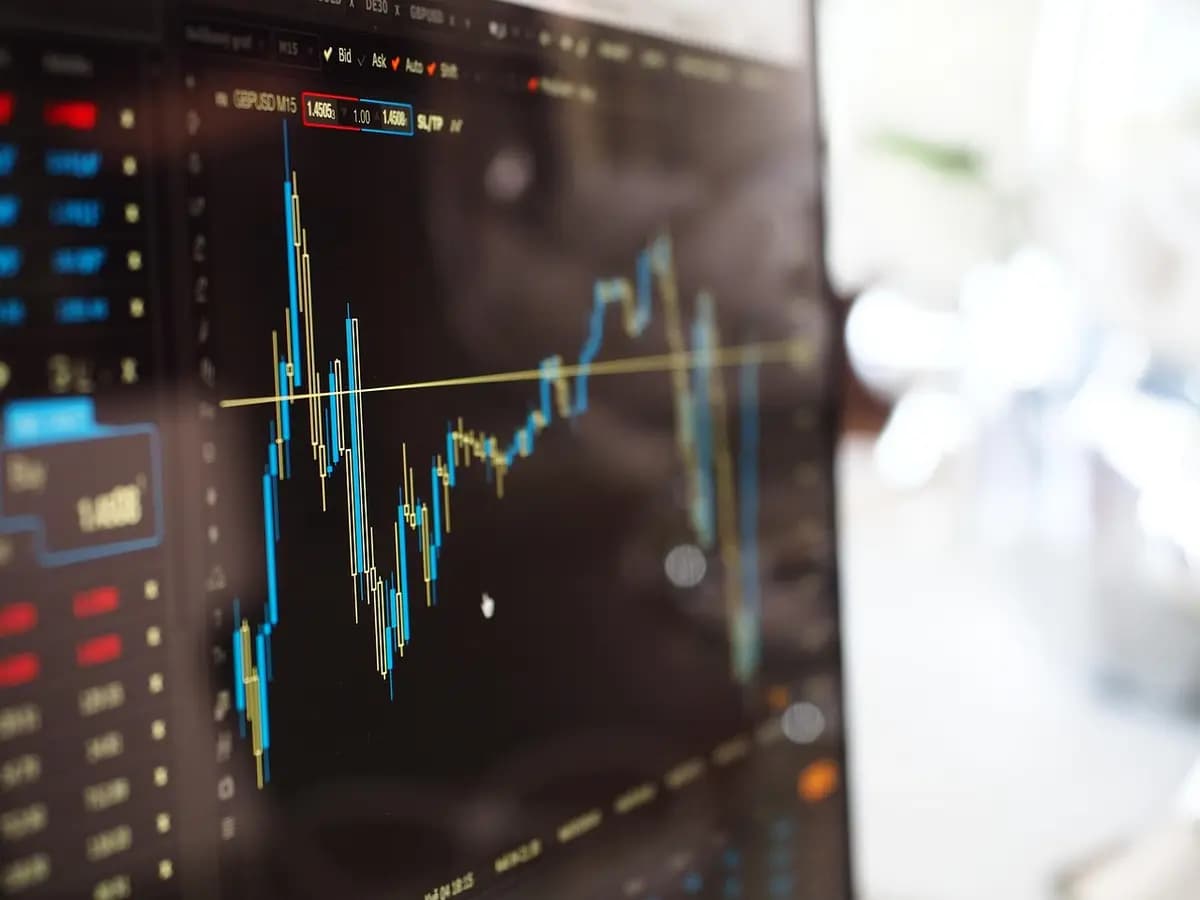
You are sent to a trading website or app that looks professional. It shows your balance growing, and you may be offered a loan to invest more. The FBI says that when victims try to withdraw, they are charged taxes and fees as a last way to take money before the scammers disappear.
The FTC says people report losing all the money they invest, often tens of thousands of dollars. Its rule is simple: never mix online dating and investment advice.
Signs it is a scam
- A stranger texts by mistake, then stays in touch
- They move you to WhatsApp, Telegram or another app
- They push crypto or gold trading you have never heard of
- The app shows fast profits you cannot withdraw
- You must pay taxes or fees to unlock your money
What real investing looks like
- No one guarantees profits or promises no risk
- You choose the firm yourself, not a new friend
- You can withdraw your own money without a new fee
- Taxes are settled with the IRS, not paid to an app
- Nobody rushes you or asks you to keep it secret
How much people lose to crypto investment scams
The FBI's Internet Crime Complaint Center (IC3) says crypto investment fraud was the largest source of losses reported by Americans in 2025: $7.2 billion across 61,559 complaints. People aged 60 and over reported about $2.76 billion of that.
Since January 2024, the FBI's Operation Level Up has used IC3 reports to find people who are being scammed and warn them. In 2025 it notified 3,780 victims, and 78% of them did not know they were being scammed.
If someone says they are from the FBI, check by calling your local FBI field office yourself. The FBI does not charge victims a fee to investigate.
If it already happened
- Stop sending money, including any tax, fee or deposit they say will unlock your balance, even if they threaten to freeze your account.
- Call your bank and any crypto exchange you used, on the number from their app or website, and ask whether recent transfers can be stopped or recalled. Speed matters.
- Save everything: usernames, phone numbers, the website or app address, wallet addresses, transaction IDs and screenshots of the chats.
- Expect follow-up offers to recover your money for a fee. Those are a second scam; read recovery scams before you answer any.
- If you gave them your Social Security number or ID, you can get a recovery plan at IdentityTheft.gov.
- ReportFraud.ftc.govReport the scam to the Federal Trade Commission.
- IC3.govThe FBI’s internet crime complaint center, for losses online.
- IdentityTheft.govIf they got your ID, Social Security number or account details.
Questions
Why is it called pig butchering?
Can I get my money back from a pig butchering scam?
The app shows my profits. Could it be real?
Why would the FBI contact me about a crypto scam?
Realr does not check investments or payments, but if someone you met by text or on a dating app says they are the person in their photos, you can ask them to prove it with a Realr check.
Ask them to verifySources
- FBI IC3: 2025 Internet Crime Report
- FinCEN: Alert on the virtual currency investment scam known as pig butchering (2023)
- FTC: Why it's not rude to ignore hi, how are you texts from strangers
- FTC Data Spotlight: Top text scams of 2024
- FTC: What to know about cryptocurrency and scams
- FBI IC3: Fictitious law firms targeting cryptocurrency scam victims (2024)